



PARIS ASIAN ART FAIR
12th Edition
October 20-24, 2026
VIP Preview on Monday, October 19
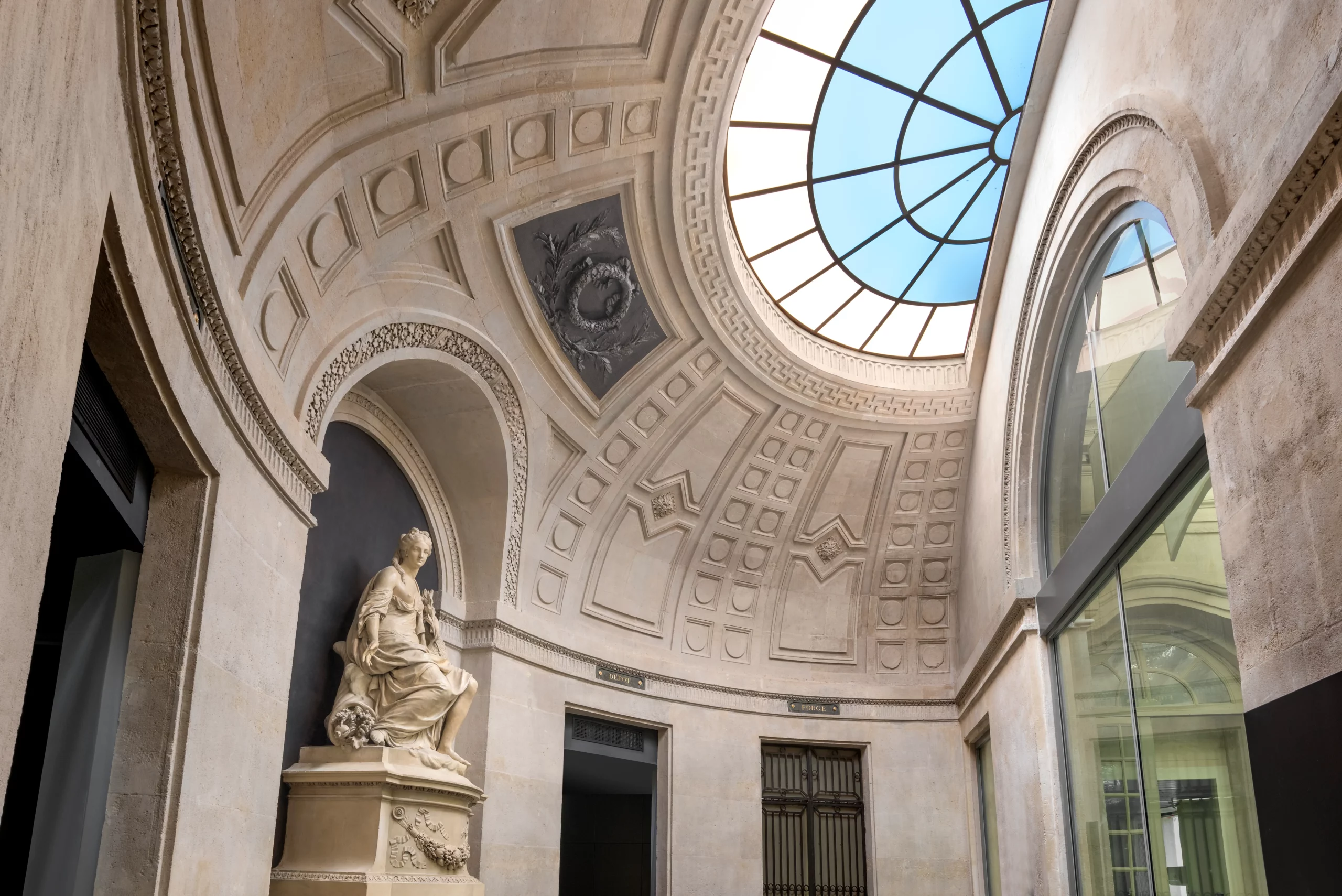
Monnaie de Paris
Galleries Galleries
Galleries Galleries
Galleries Galleries
Galleries Galleries
Galleries Galleries

Kaikai Kiki Gallery

Whitestone Gallery

THE Gallery

Esther Schipper

Tala Chicago

Spazio Nobile
12th Edition
Sentimental Value
Special Projects Special Projects
Special Projects Special Projects
Special Projects Special Projects
Special Projects Special Projects
Special Projects Special Projects
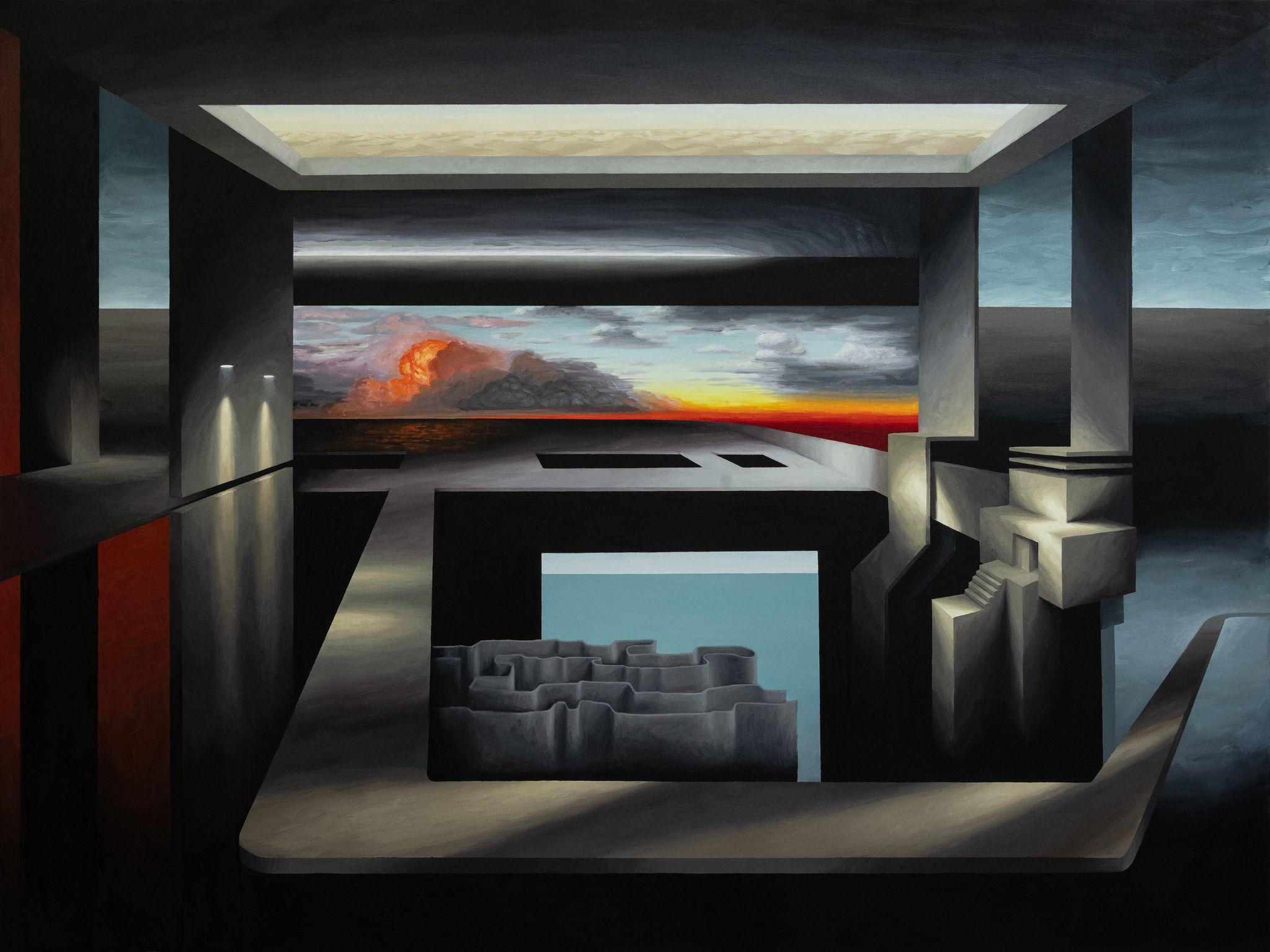
Louis Le Kim, presented by ARTUNER

Ishita Chakraborty, presented by Galerie Peter Kilchmann
Daily Programme Daily Programme
Daily Programme Daily Programme
Daily Programme Daily Programme
Daily Programme Daily Programme
Daily Programme Daily Programme
Dharma Songs by Samboleap Tol
Bibingka by Alvin Collantes
In Conversation with Villa Hegra
Performances Performances
Performances Performances
Performances Performances
Performances Performances
Performances Performances
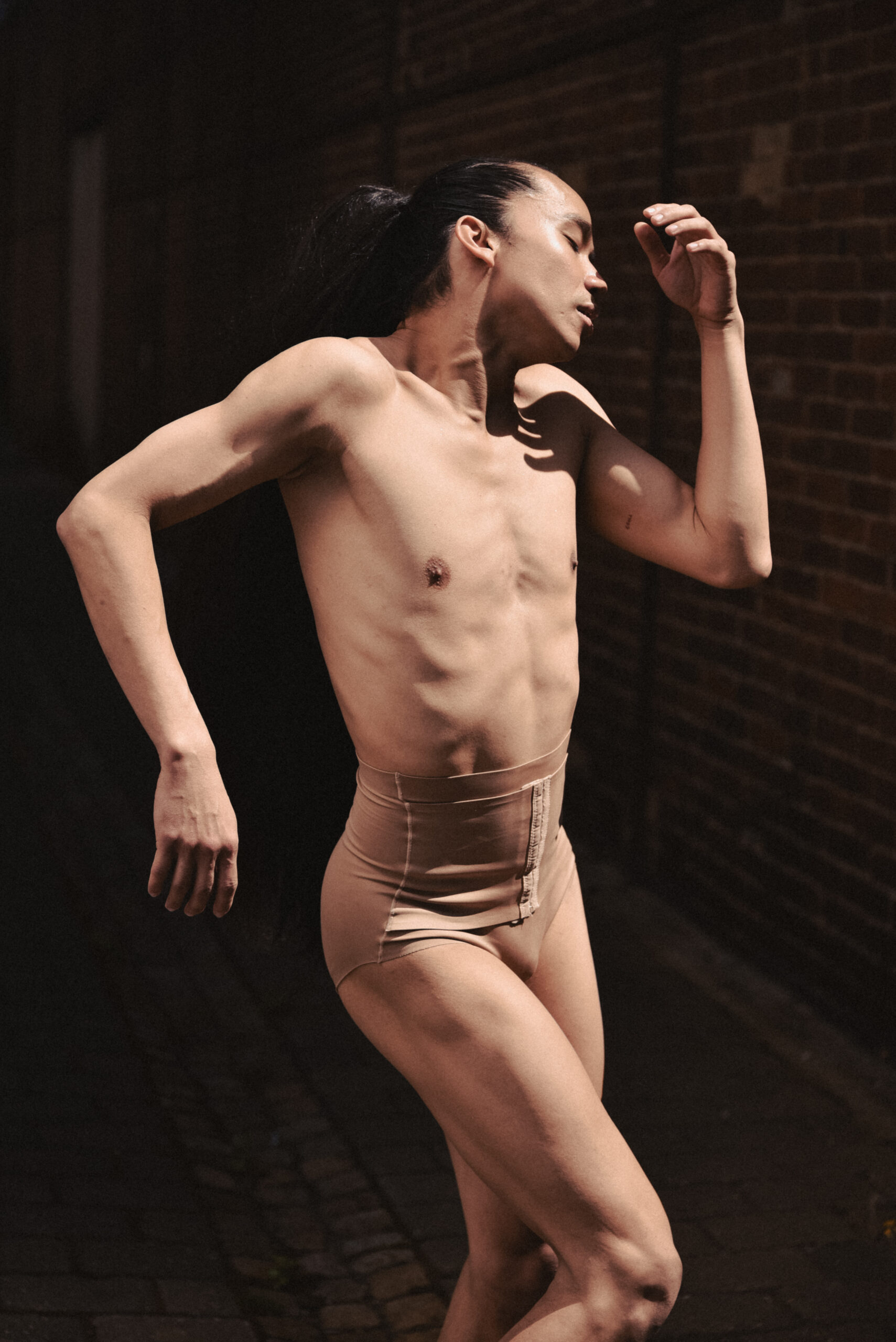
Alvin Collantes

Wayang Women
Cinema NOW Cinema NOW
Cinema NOW Cinema NOW
Cinema NOW Cinema NOW
Cinema NOW Cinema NOW
Cinema NOW Cinema NOW