



Performances
Unfolding across La Monnaie de Paris during the fair, Asia NOW’s curated program of installations, performances, screenings, and conversations features major contributions from international institutions, foundations, art centers, and gallery-supported artists.
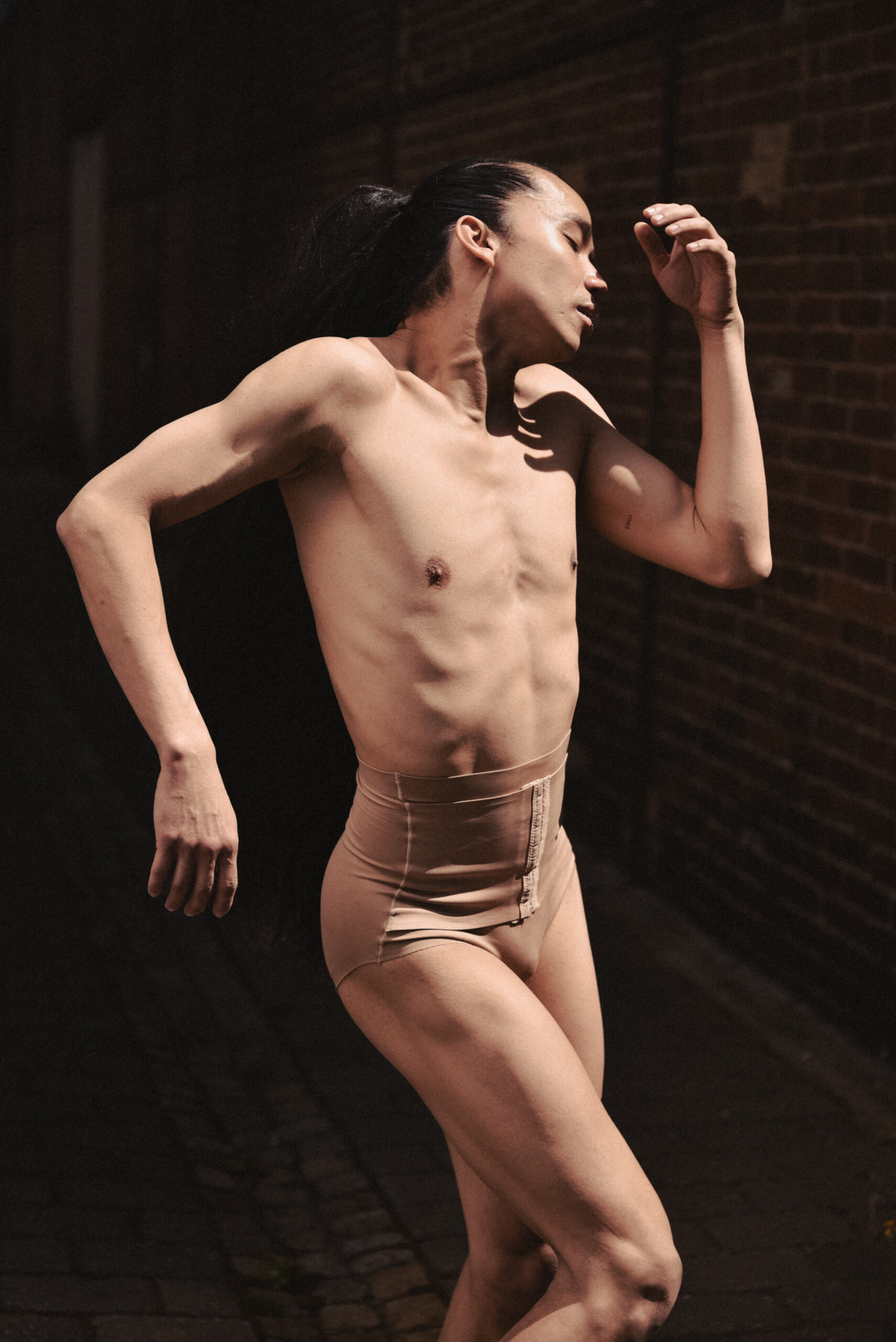
Alvin Collantes
Alvin Collantes (b. 1989, New Jersey) is a Berlin-based Filipino-Canadian artist whose practice moves across choreography, performance, drag, and social encounter. Working with the body as both archive and site of possibility, they create performances and alter egos that blur the boundaries between ritual and spectacle, intimacy and public life, humour and grief.
Rooted in experiences of migration and shaped through queer and diasporic ways of knowing, Collantes’ work considers how identity is performed, inherited, and transformed. Their performances attend to the tensions between visibility and disappearance, labour and pleasure, vulnerability and resistance, asking how embodied practices might reimagine the ways we belong to ourselves and to one another.
Their latest work, Bibingka, is a solo performance that brings together choreography, drag, storytelling, and live video in an exploration of Filipino migration, identity construction, and the performance of service. Named after the resilient Filipino rice cake and the artist’s drag persona, Bibingka takes these questions to the stage: who is entertained, and at what cost?
In collaboration with Abican – Can Etterlin.
Ruby Chen
Presented by 2 Curators 1 Collapse
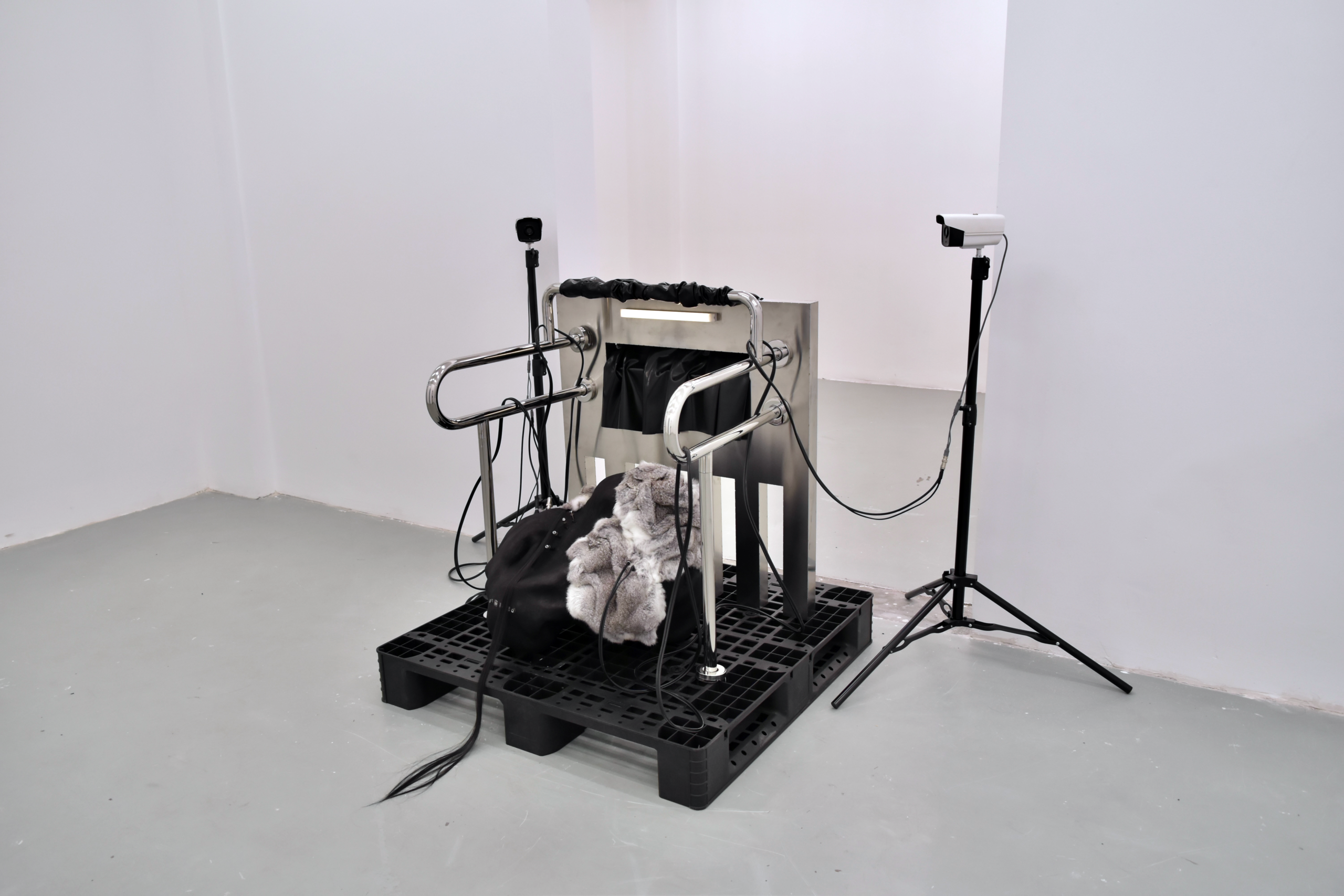
Ruby Chen is a London-based artist working primarily in sculpture. Her practice investigates how technological progress reconstructs archaic systems of domination under guise of innovation, tracing links between military imperatives behind technological advancement and the weaponization of perception. She works with humanoid materials, industrial components, including fur, skin-textured rubber, synthetic hair, and metal frameworks, exploring the gradual disappearance of the body into technological infrastructures.
In this live performance, Chen examines the relationship between the body, technology and militarised infrastructures, questioning how bodies are transformed, controlled and gradually absorbed by technological systems. Presented with 2 Curators 1 Collapse, the performance invites us to consider collapse not only as a moment of loss, but also as a space for imagining other forms of relation.
Monday 19.10
03:00 pm – 03:30 pm
Wednesday 21.10
11:00 am – 11:30 am
Saturday 24.10
05:00 pm – 05:30 pm
Badr El Hammami
Presented by Kalhath Foundation
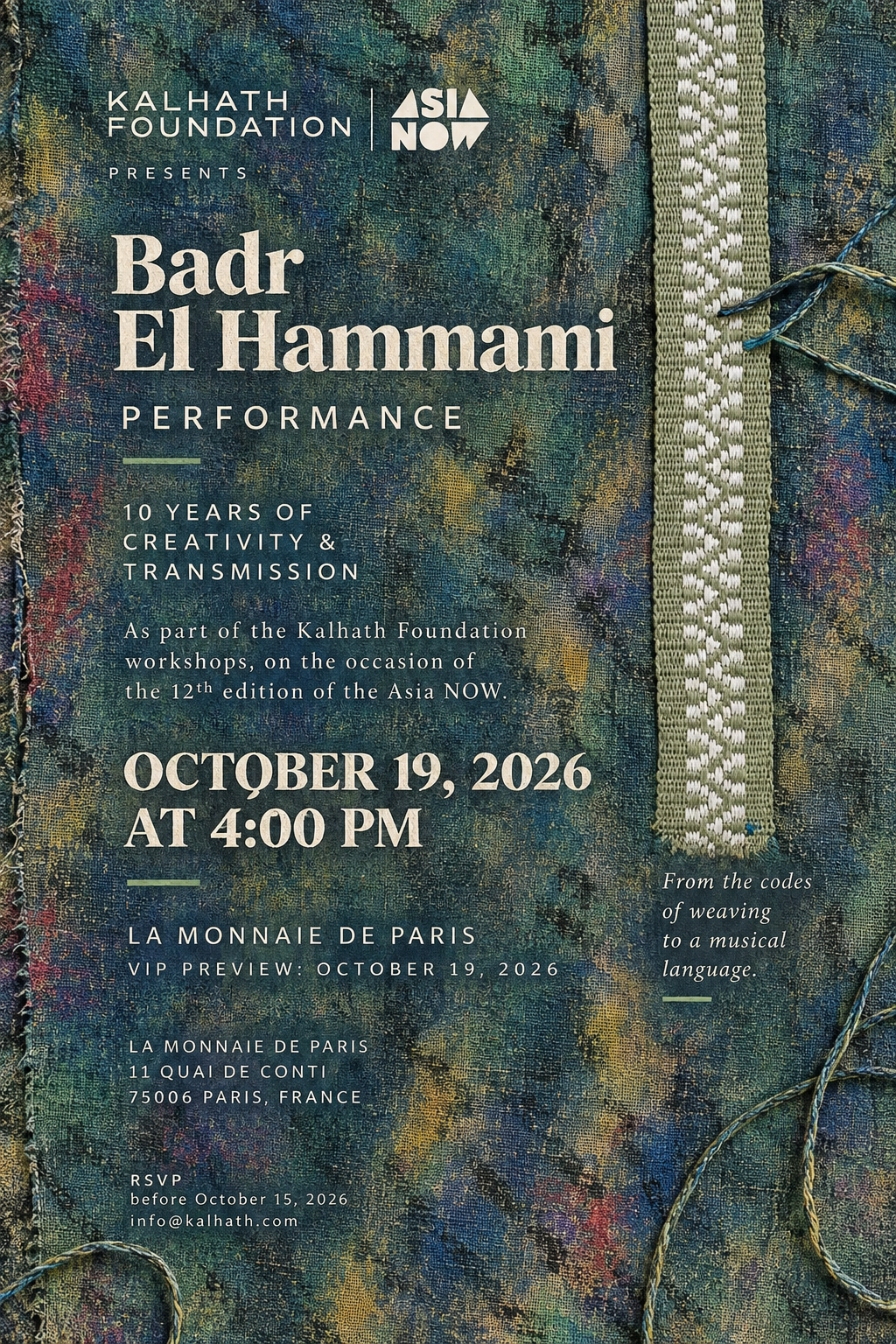
Monday 19.10
04:00 pm – 04:30 pm
Samboleap Tol
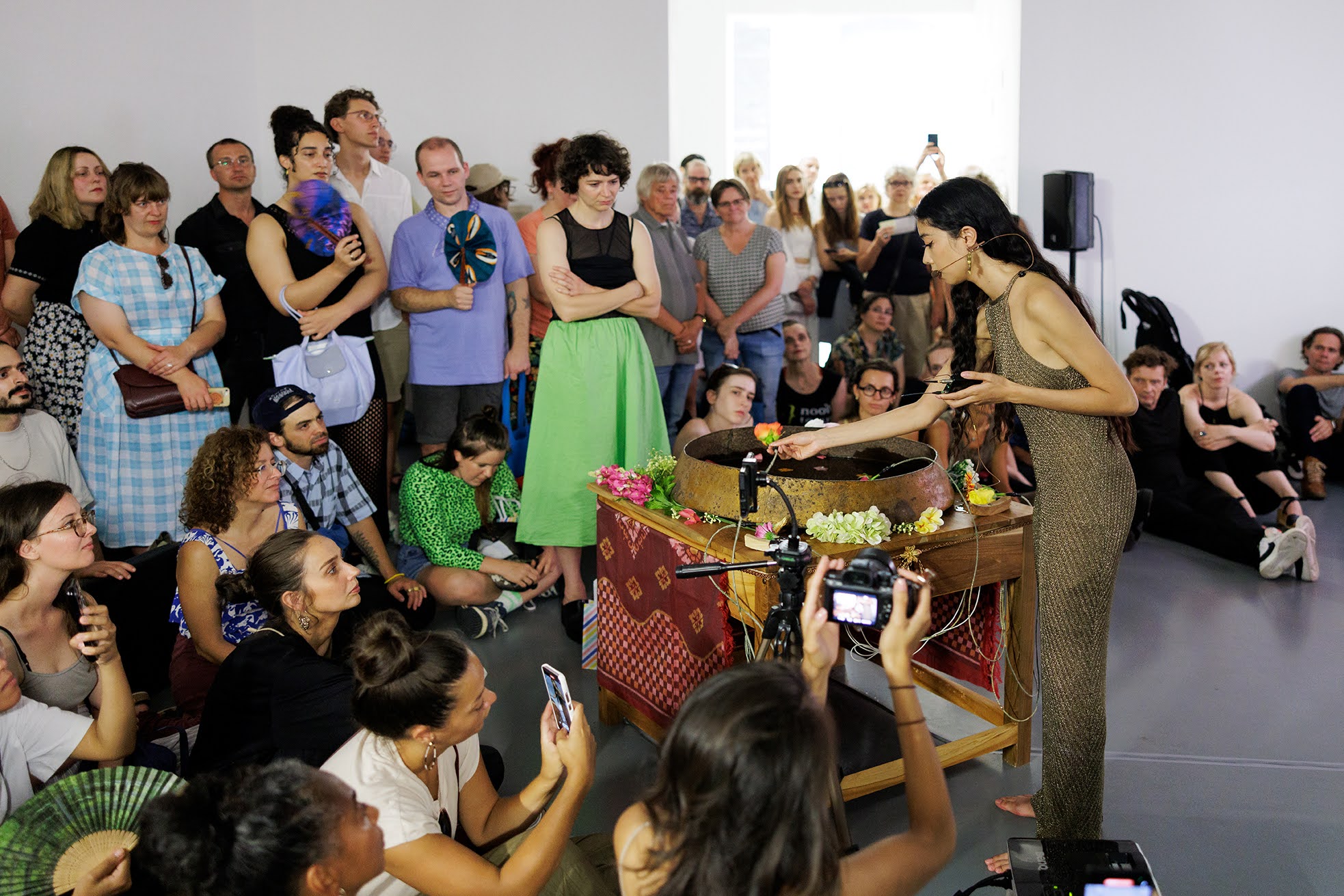
Samboleap Tol (b. 1990) is a Khmer artist who creates kinetic sound sculptures. Her practice investigates the postcolonial diasporic psyche, examining how political disruptions shape generational understandings of love, faith, and dignity. She is particularly drawn to ideas that have endured across thousands of years.
Engaging with materiality, faith, and script, Tol seeks forms of ancestral wisdom, knowledge she applies to her own life and shares with peers who grew up distant from their ancestral lands through war and displacement. At the core of her work lies a recurring question: “What wisdom would my ancestors have imparted to help me understand life?” Her interactive installations combine personal storytelling with questions of historiography and whose truths are preserved and transmitted.
Tol recently participated in The Spirits of Maritime Crossing 2026, a collateral event of the 61st International Art Exhibition of La Biennale di Venezia.
For Asia NOW 12th Edition, Tol presents Dharma Songs, an installation and lecture-performance inspired by Cambodian ancestral veneration rites. Tracing her family’s journey from Cambodia to the West, she considers how French colonialism, US bombing, the Khmer Rouge genocide and life in the diaspora shaped their lives across generations.
Through sculpture, DJing, dance, lecture and poetry, Tol explores how dignity, faith and memory are passed from one generation to another, creating space to honour people and stories left behind by history.
Monday 19.10
01:00 pm – 02:00 pm
Sehaj Malik
Presented by Still Other Collective
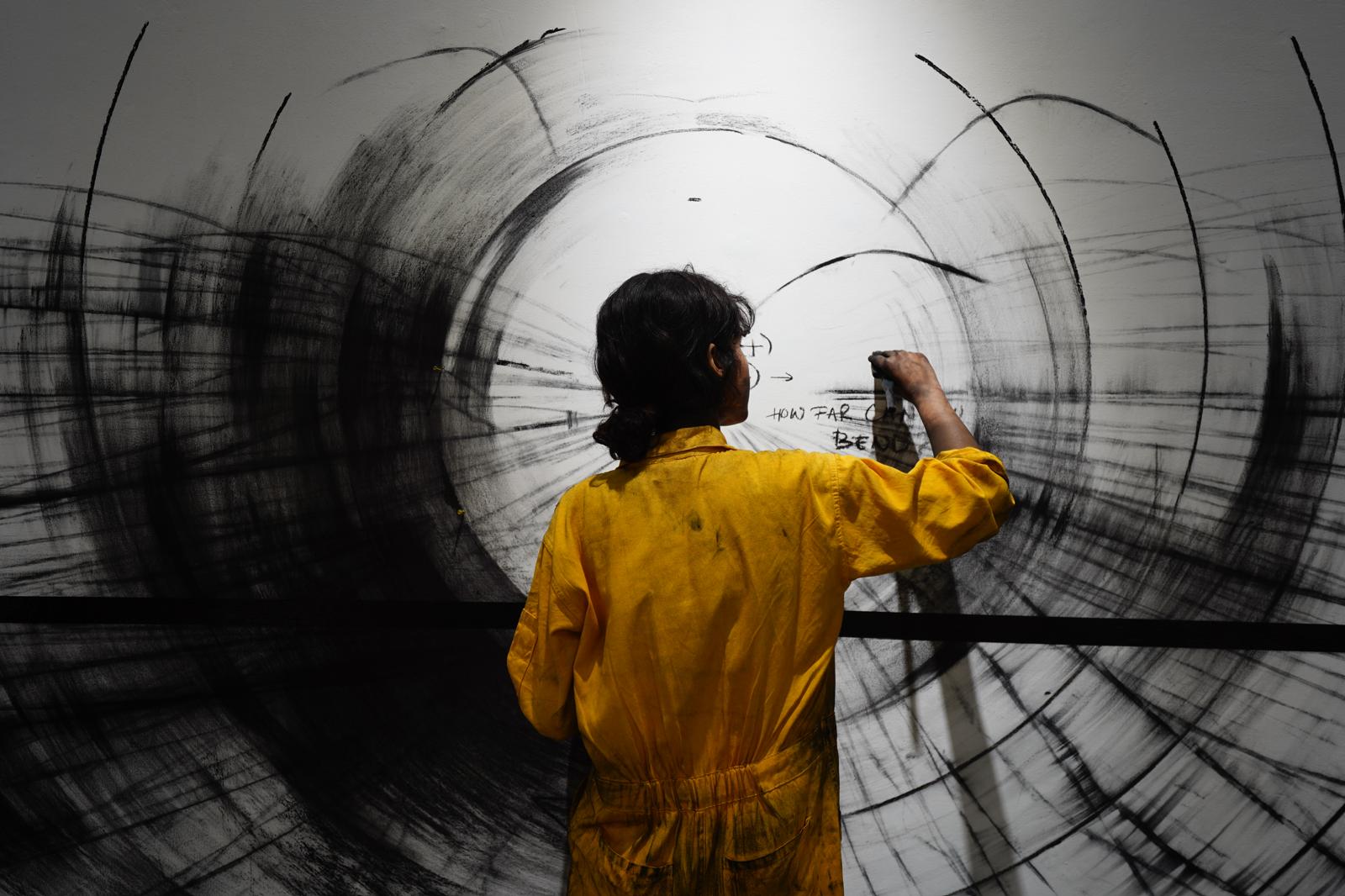
Sehaj Malik is a final-year masters student at École Nationale Supérieure des Beaux Arts in Paris. She is working under the atelier of Werhner Bouwens. She creates instruction-based drawings to focus on zones of the body. Working often in charcoal, her practice develops through the physical displacement of the body, by pushing it to points of fatigue.
In Fivefold: The Anatomy of Chaos, Sehaj Malik explores the patterns that emerge through repetition, accumulation and layers in a five-hour performance accompanied by a participatory food installation. Extending the experience into the realm of taste, audiences are invited to create their own chaat, a popular South Asian street food that brings together contrasting flavours, textures and ingredients. A multisensory exploration of order and disorder, where performance and food become unexpected ways of understanding complexity.
Wednesday 21.10
12:00 pm – 05:00 pm
Abi Taricq
Presented by Brief Shalimar & Zara Sajid
Abi’s conceptual practice seeks to critically expose or subtly shift hierarchical structures through the prism of performance art. Inspired by the complex entanglement of language, culture and power, Abi questions behavioral norms by confronting issues of privilege, vulnerability and social expectation.
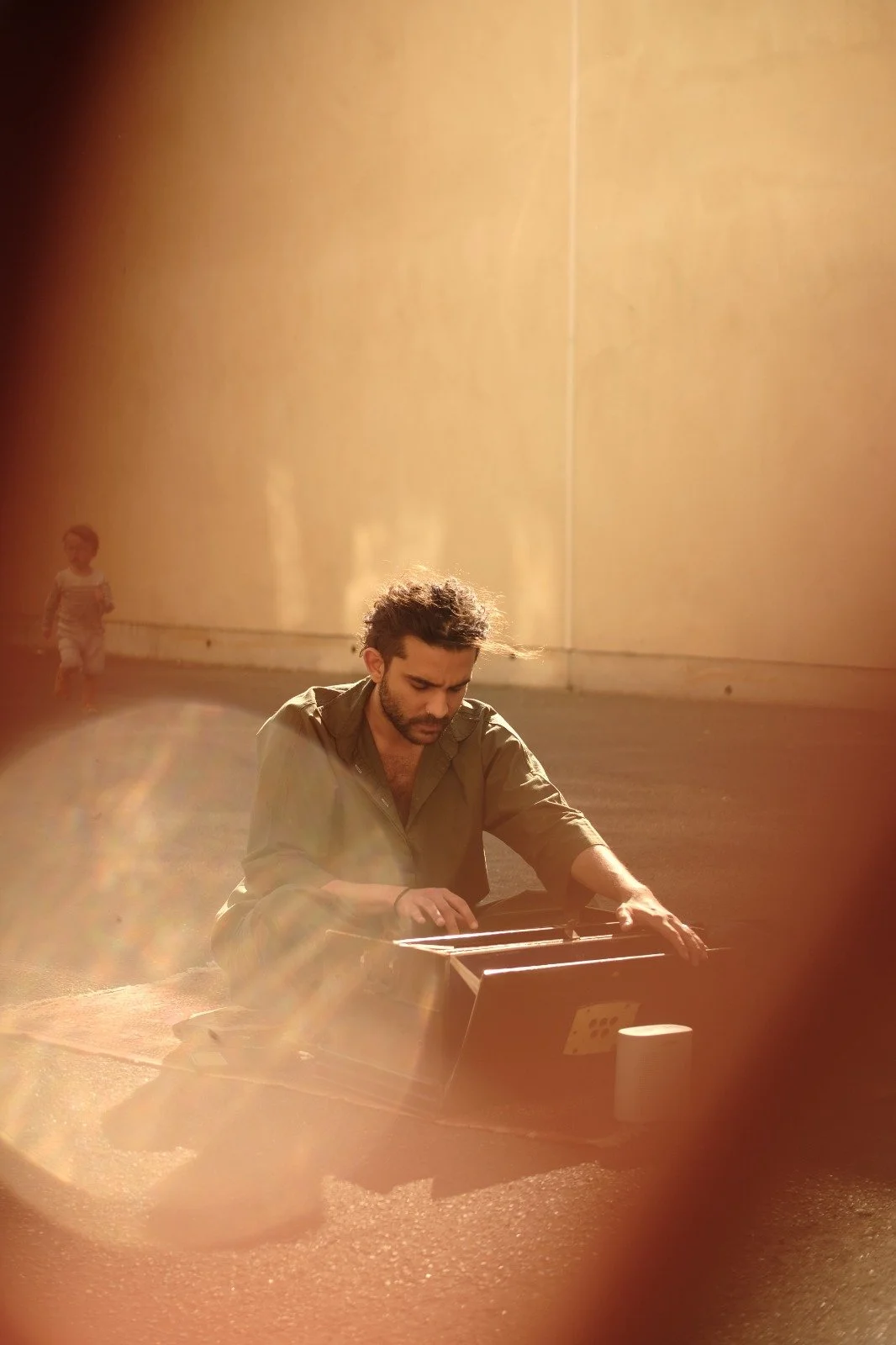
The Harmonium piece gathers us to experience a moment where the voice of the instrument itself claims authorship, and leads us into a narrative of its journey. From the cool dusty workshops of Lahore, to the carpeted and air-conditioned music rooms of a neo-liberal household of a middle-class family in Karachi, to the rowdy noise performances in the tunnels under the Louvre in Paris, or in the streets of Puglia, the life lived by this beautiful object and musical instrument are plentiful. Although worn out today, when given the appropriate time and attention, and when listened to, the harmonium speaks, sings, and sometimes evokes fragments of memory and song.
Born in Karachi, Pakistan, living and working in Paris, France, Abi Taricq is an artist and cultural worker whose creative practice extends beyond artistic creation to include writing, organising, curating, facilitating and producing, always with a social and political dimension. He considers himself a middle-man.
In 2017, with the support of the Cité Internationale des Arts, he designed the role-playing performance Middle-Man to bring works by French artists Virgile Fraisse, (La) Horde, and Jean Hubert to the first Karachi Biennale. In 2018 he represented France in the Erasmus+ program Culture Backstage and since 2014 has collaborated closely with Australian artist Honi Ryan’s international performance project, the Silent Dinners. Abi has an MFA from Transart Institute (Berlin/NY) and a BFA from L’École Parsons à Paris (now Paris College of Art). Since 2020, Abi has been working at the heart of AFIELD, a grant-giving organisation and international network of cultural changemakers; From conceiving knowledge and skill sharing programs to the design and production of large-scale convenings, the impact of Abi’s creative practice is made tangible in the unique ‘social choreography’ that AFIELD deploys.
Tuesday 20.10
04:30 pm – 05:00 pm
Wayang Women
Wayang Kulit is a traditional shadow puppet theatre in Malaysia and Indonesia, known as Nang Talung in Thailand. For centuries, all the dalangs and musicians in Wayang Kulit were male. That’s why the stories they told focused on male-driven themes like wars and conquests, drawn from the Hindu epics Ramayana and Mahabharata.
In Kelantan, where the remaining master puppeteers are based, social and religious restrictions have historically limited women’s access to public performance- especially at night, when Wayang Kulit was traditionally performed.
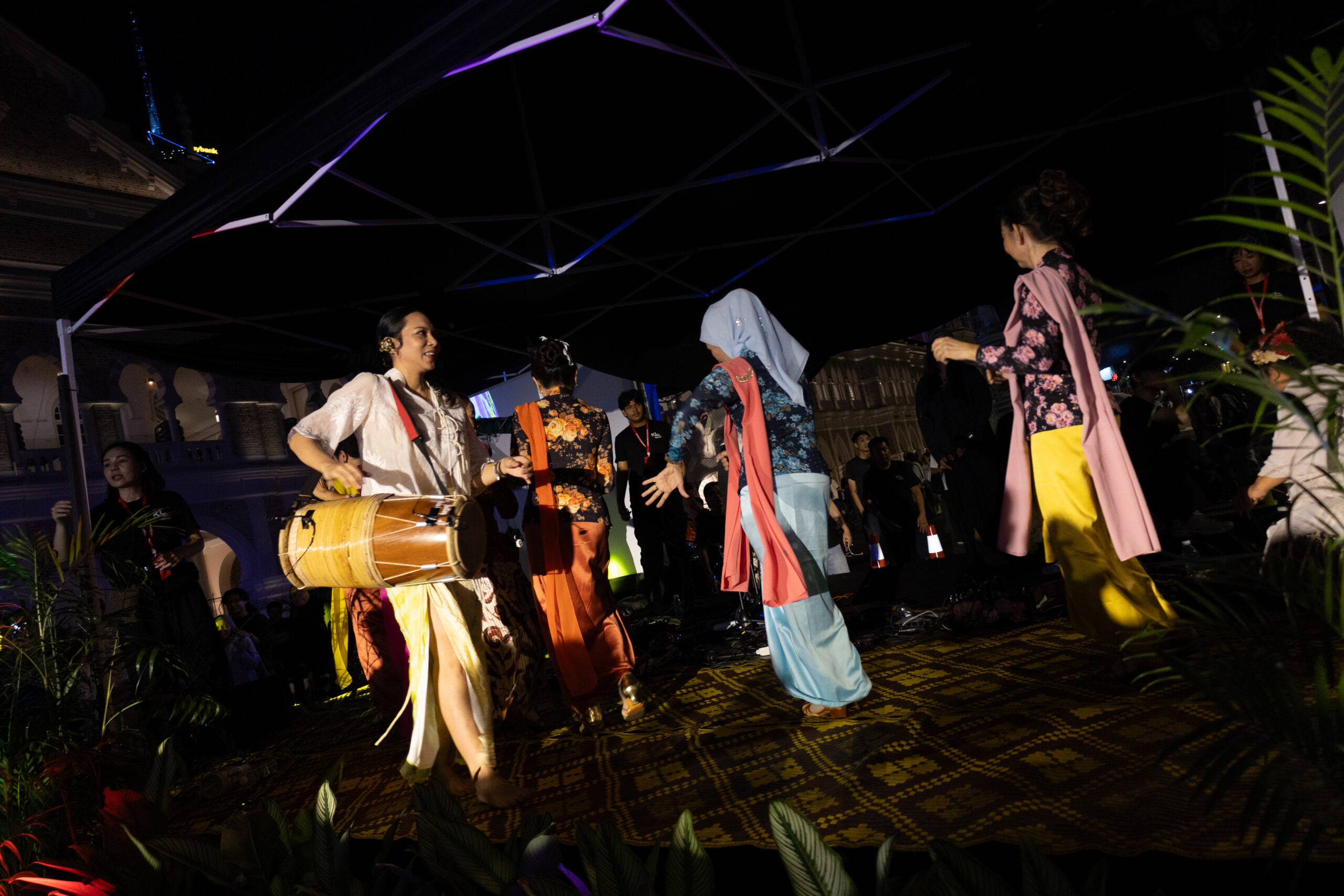
Now, times have changed. The Wayang Women are rewriting the tradition. They tell stories of female ghosts, powerful but often overlooked figures in Southeast Asian folklore. These ghosts are shared across countries, reflecting the deep connections in our cultures – and the patriarchal systems that shaped them.
Since its formation, Wayang Women has performed across Southeast Asia and Europe for audiences of up to 6,000 people, with sold-out performances in Chiang Mai, Kuala Lumpur, Amsterdam, and Berlin. Highlights include the AWID International Forum in Bangkok, Ubud Writers Festival, Merdeka Square in Kuala Lumpur, Felix Meritis Amsterdam, and the Gentse Feesten Puppet Buskers Festival.
The ensemble has also been featured by Malaysiakini as one of the most distinctive Wayang Kulit troupes of the moment. Beyond performance, Wayang Women brings women practitioners and researchers together through initiatives such as the Wayang Wanita Forum at Malaysia’s National Art Gallery.
Working across 6 countries, Wayang Women continues to develop new work through international collaboration, combining traditional puppetry, contemporary performance, music, storytelling, and diverse female perspectives.
Monday 19.10
07:00 pm – 08:00 pm
Tuesday 20.10
06:00 pm – 07:00 pm
Amna Mawaz
Presented by Brief Shalimar & Zara Sajid
Amna began her training at 11 years old, in various dance forms of South Asia under the maestro Indu Mitha in her hometown of Islamabad. After a decade of training, Amna was one of a handful of Mitha’s students to present her solo performance in Bharathanatyam after a decade of training. When she was 17 years old, she joined the movement against the dictatorship of General Pervez Musharraf, and it was with her comrades in the struggle that she learnt of the importance of intersecting socio-political themes with those of performance and embodied culture. She continued to practice, teach and learn dance, and eventually joined the Pakistan National Council of Arts in Islamabad, under the direction of Jamal Shah. It was here that she trained and choreographed dance theatre pieces such as Situation 101, Barzakh and Mehergarh for the National Performing Arts Group. Amna combined theatre, poetry and dance performance to create pieces for progressive circles and for the streets in Pakistan. In 2020, she moved to Germany with her partner and child, and completed a second Master’s at Heidelberg University, where she continues to politically organize, as well as teaches dance that is rooted in South Asia, yet experiments with everything that inspires her.
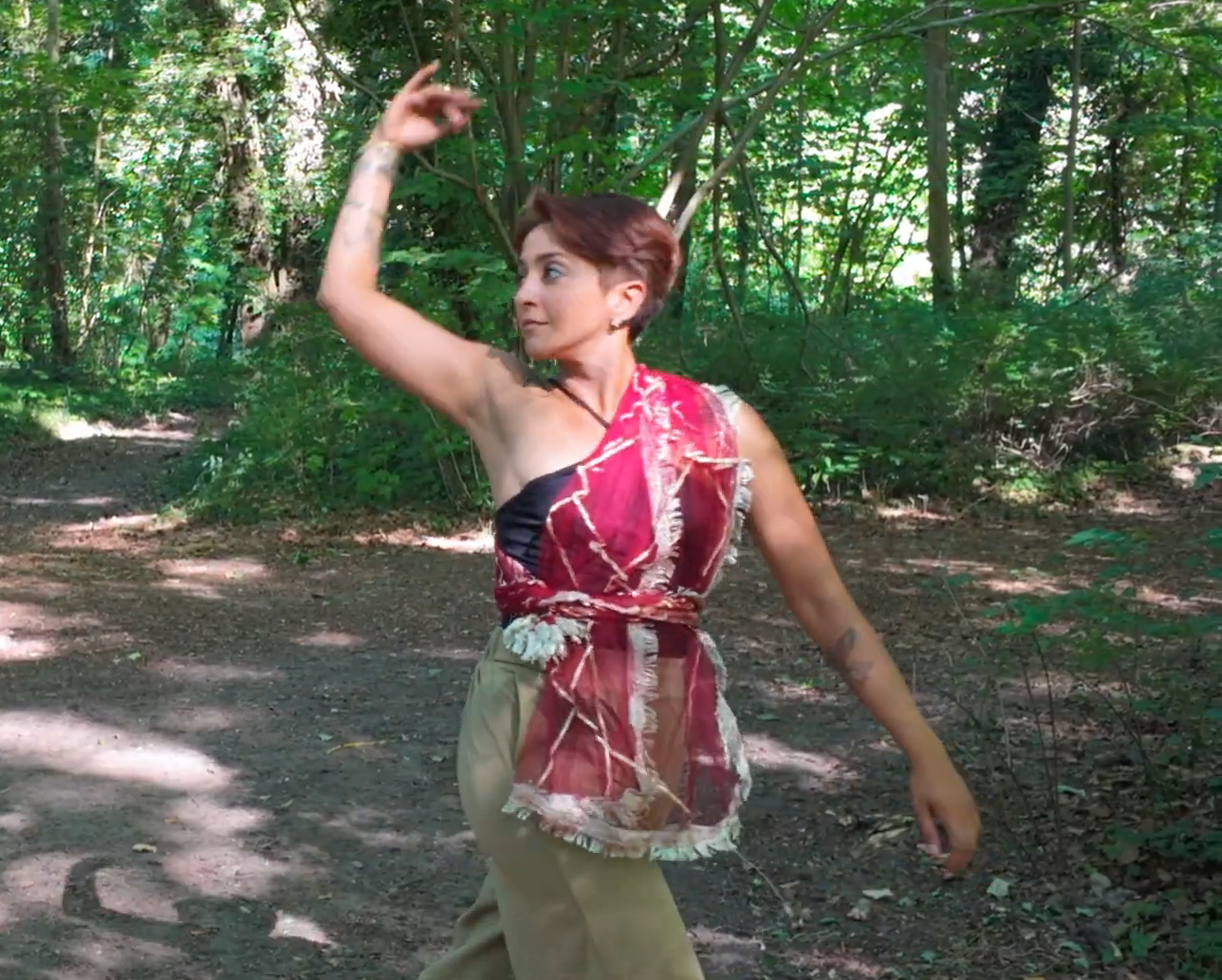
Thursday 22.10
04:00 pm – 04:30 pm