



Third Space
Lefebvre & Fils
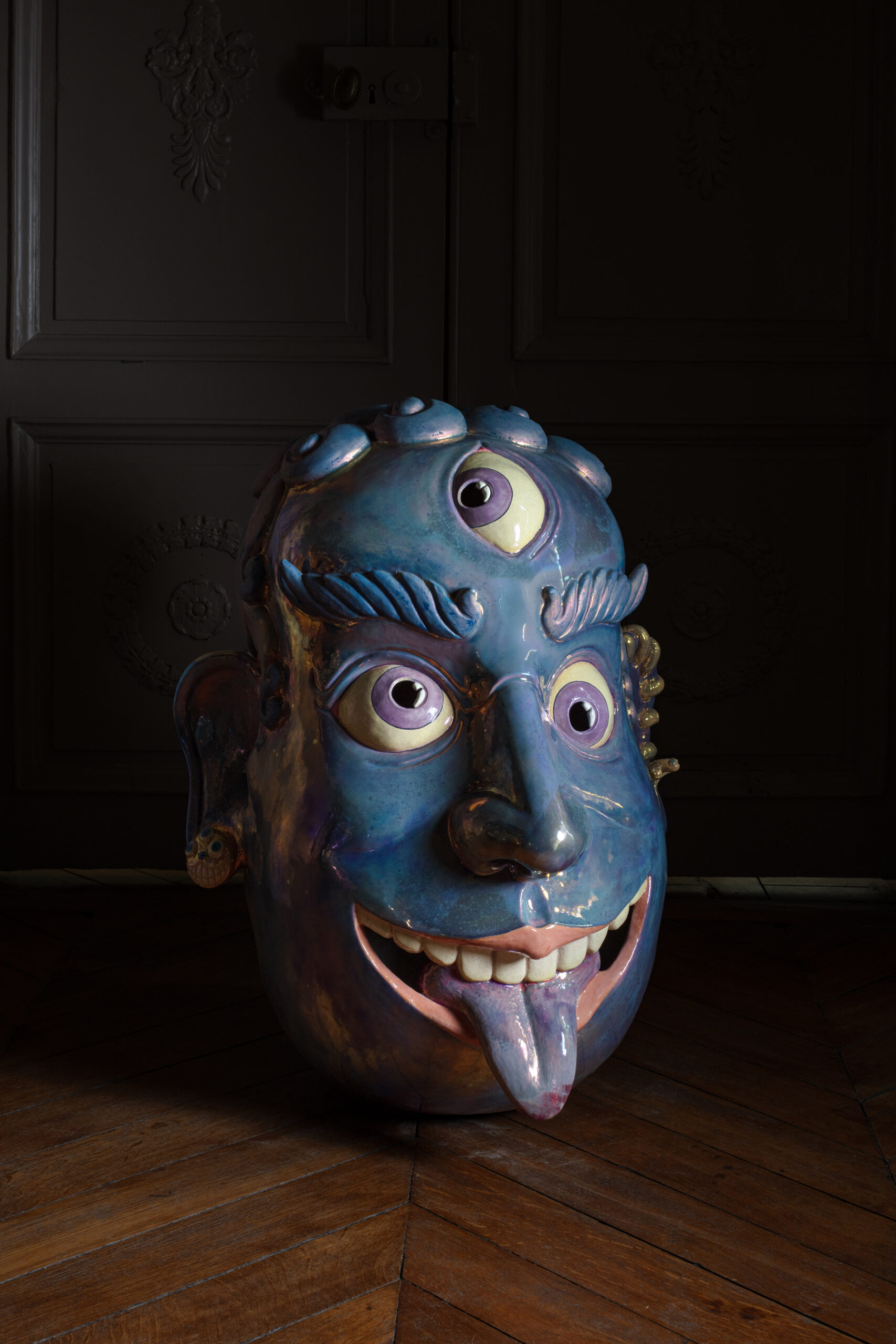
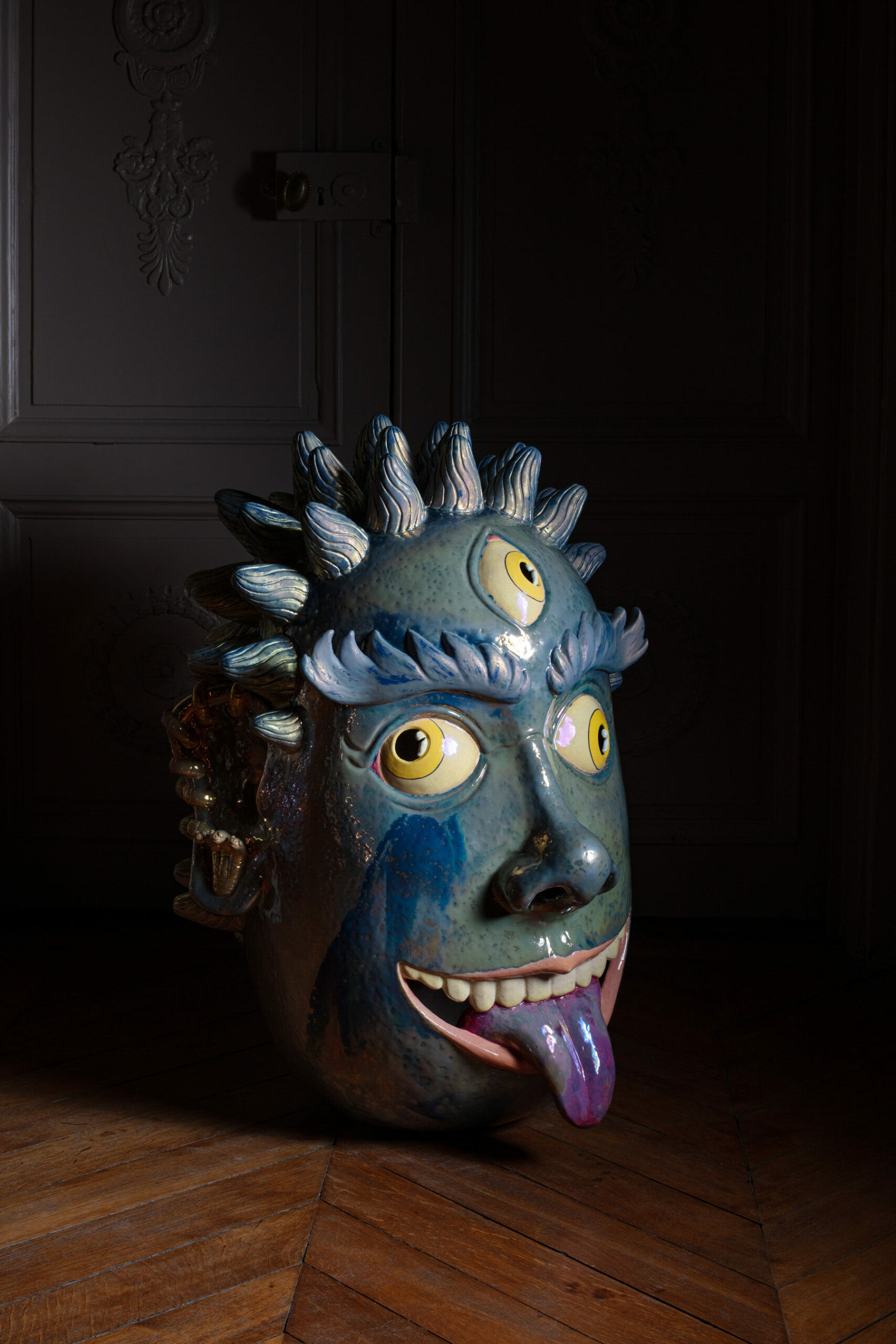
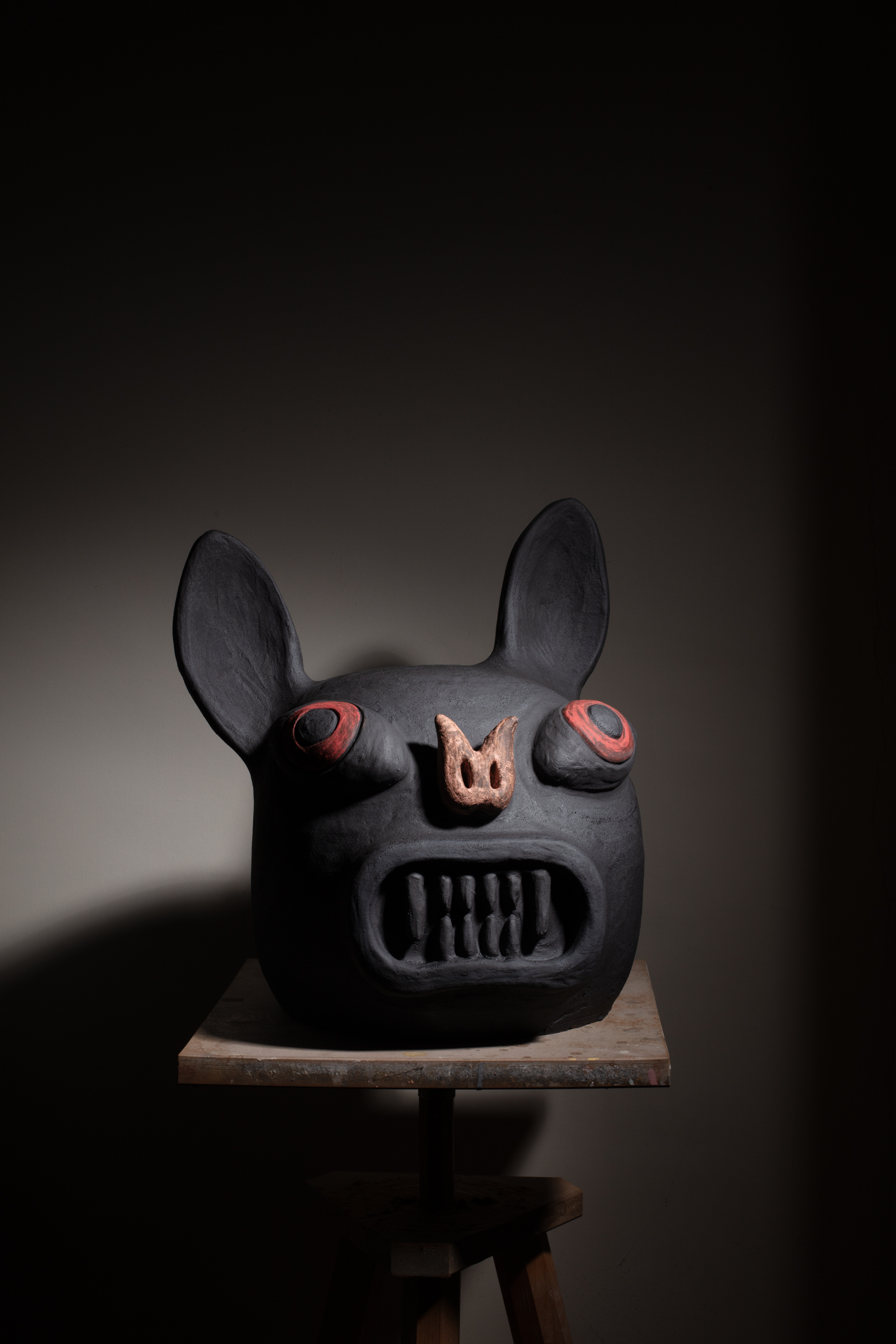
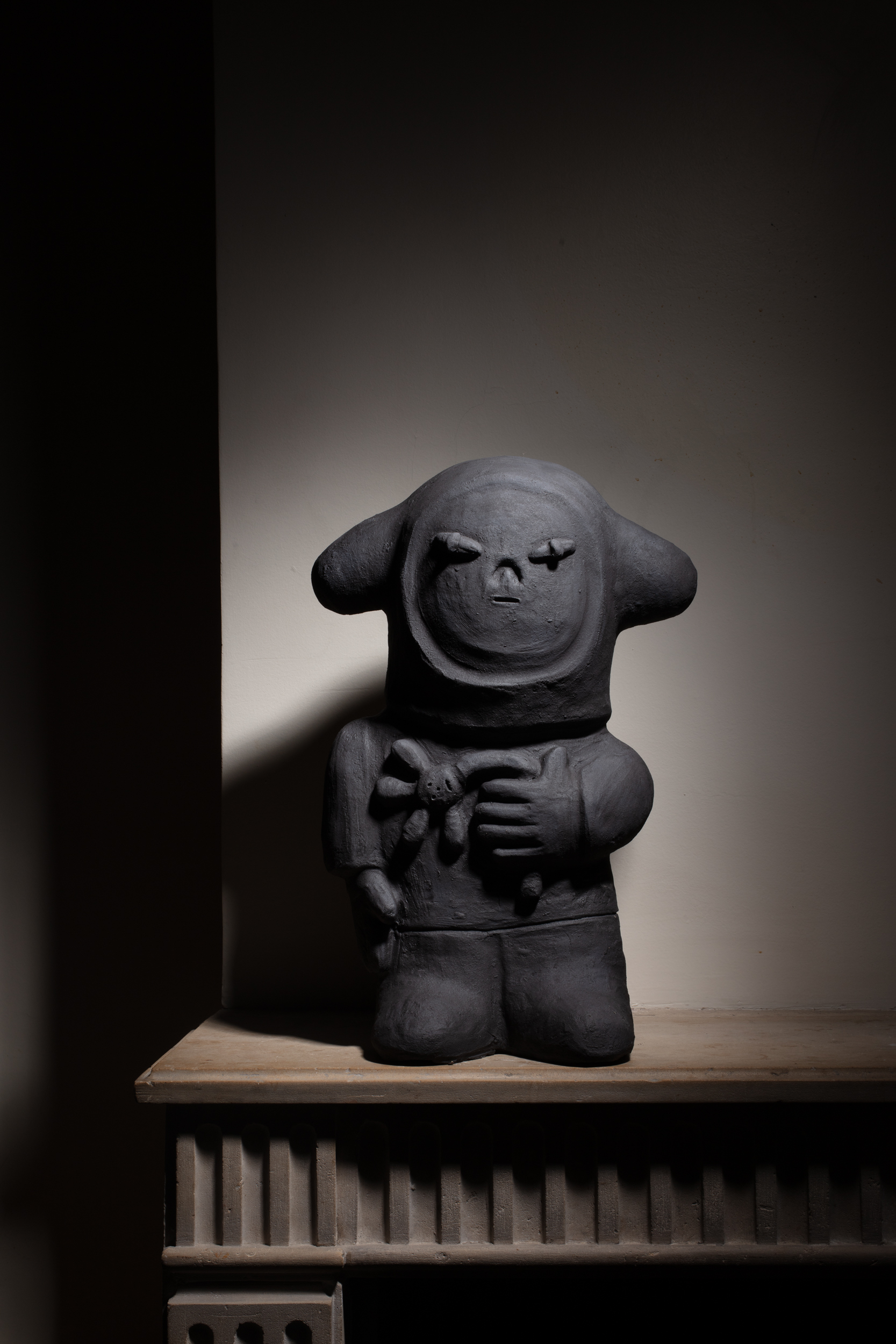
Lefebvre & Fils is pleased to present new works by artists Isolina Minjeong and Shushank Shrestha. Minjeong’s figurative ceramic sculptures, featured in SHADOWLAND, draw inspiration from the ancient Korean and Peruvian (Inca) stone carving traditions of tomb sentinels, guardians, and ritual figures. Reimagined through the lens of manga imagery and lore, her textured, excavated-looking forms explore the intersections of authority, fragility, and protection in an era of instability. Meanwhile, Shrestha’s Mastaka series—named after the Sanskrit and Nepali word for “head”—reimagines figures from Nepali mythology, rituals, and contemporary pop culture through vibrant colors, whimsical forms, and iridescent in-glaze lustres.
Uniting both artists is a shared engagement with traditional heritage, contemporary popular culture, and ceramics as a medium of spiritual and psychological force. Minjeong uses clay to question the nature of protective thresholds, while Shrestha draws on animism, cartoons, and animated cinema to convey how sacred and ordinary objects alike possess living energy.
Info
24 rue du Bac, 75007, Paris
lefebvreetfils.fr
For inquiries:
Louis Lefebvre
lefebvreetfils@gmail.com
+33779477186
Exhibited artists
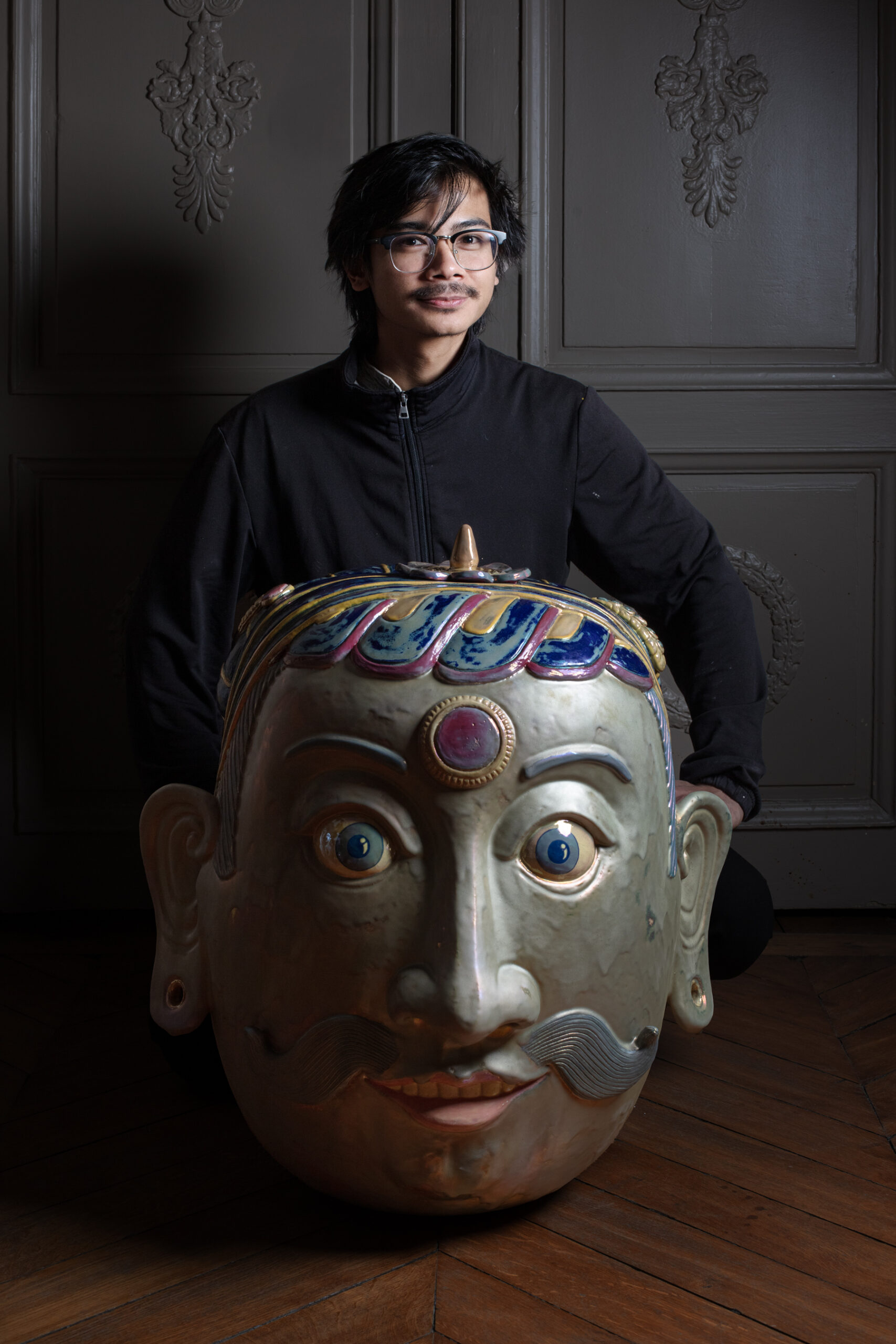
Shushank Shrestha
Shushank Shrestha is a ceramic artist based in Kathmandu, Nepal. Through a practice that connects traditional forms with contemporary languages, he questions the cultural, mythological, and popular representations inherent to his heritage.
He holds a Master of Fine Arts in Ceramic Art from the New York State College of Ceramics at Alfred University (2023), as well as a Bachelor of Fine Arts from the Kathmandu University School of Arts (2016). His work has been featured in several exhibitions in Nepal, Pakistan, China, France, and the United States.
Isolina Minjeong
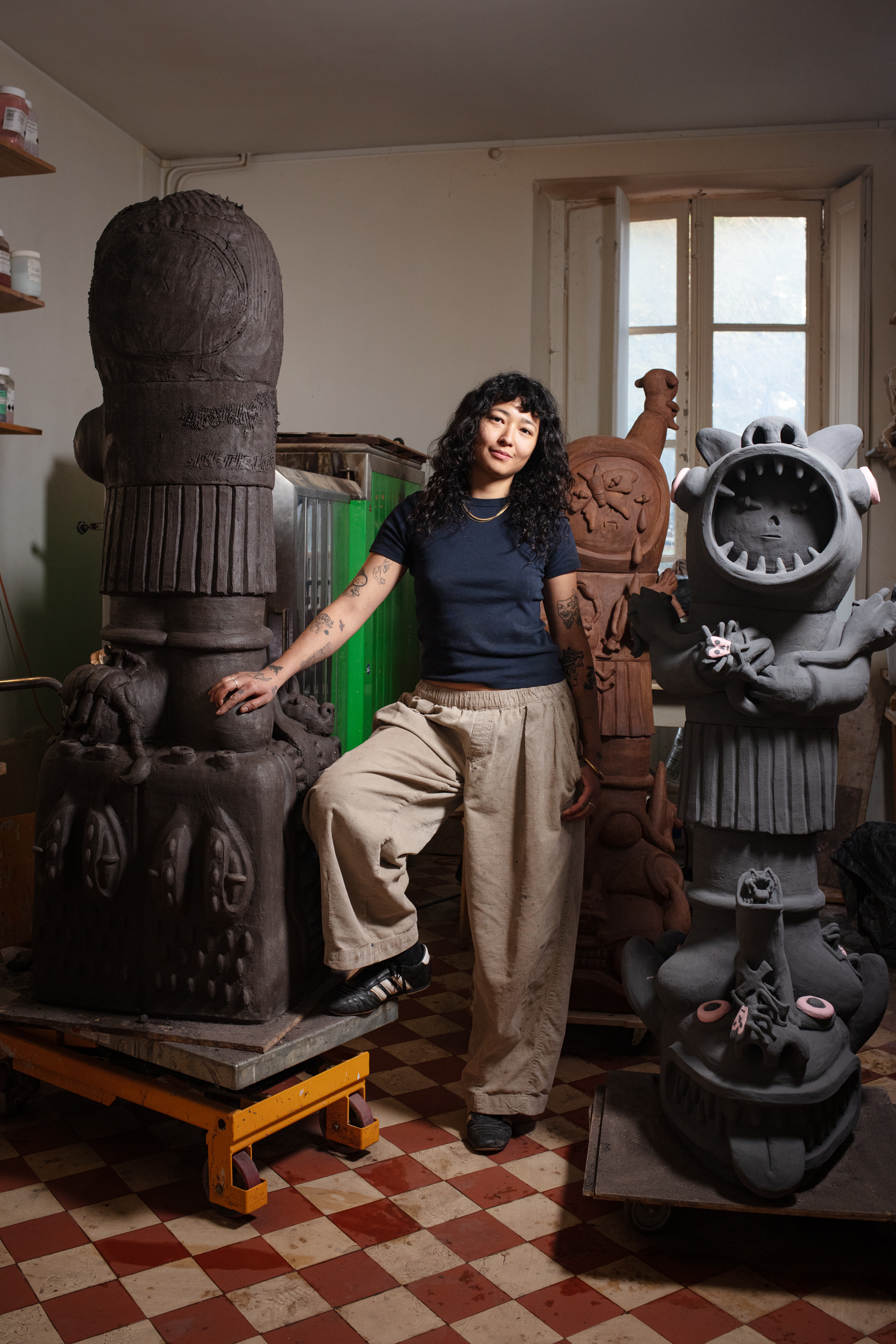
Isolina Minjeong (b. 1997, Chicago; lives and works in Brooklyn) presents works, created at The Residency, the gallery’s program in Versailles. Part of SHADOWLAND, these figurative ceramic sculptures are fueled by the ancient lineage of Korean and Peruvian (Inca) stone carving. She draws on the mystical soldiers, guardians, and ritual figures of ancient Korean and Peruvian tombs, two cultures far apart yet united by figures that protect thresholds, and reimagines them as contemporary sentinels, where this heritage meets manga imagery and lore.
Working in ceramic, a material bound to burial and ritual, Minjeong emphasizes form, weight, and surface as carriers of meaning. Her figures appear excavated rather than fabricated, their fissures and fired textures suggesting endurance. Combining presence and vulnerability, they explore authority and fragility, and question what forms protection might take in an era of instability, inheritance, and reinvention.
At the intersection of contemporary figurative sculpture, Korean and Peruvian heritage, and popular culture, Minjeong’s practice affirms ceramics as a medium of psychological, spiritual, and enduring force.
Exhibited works
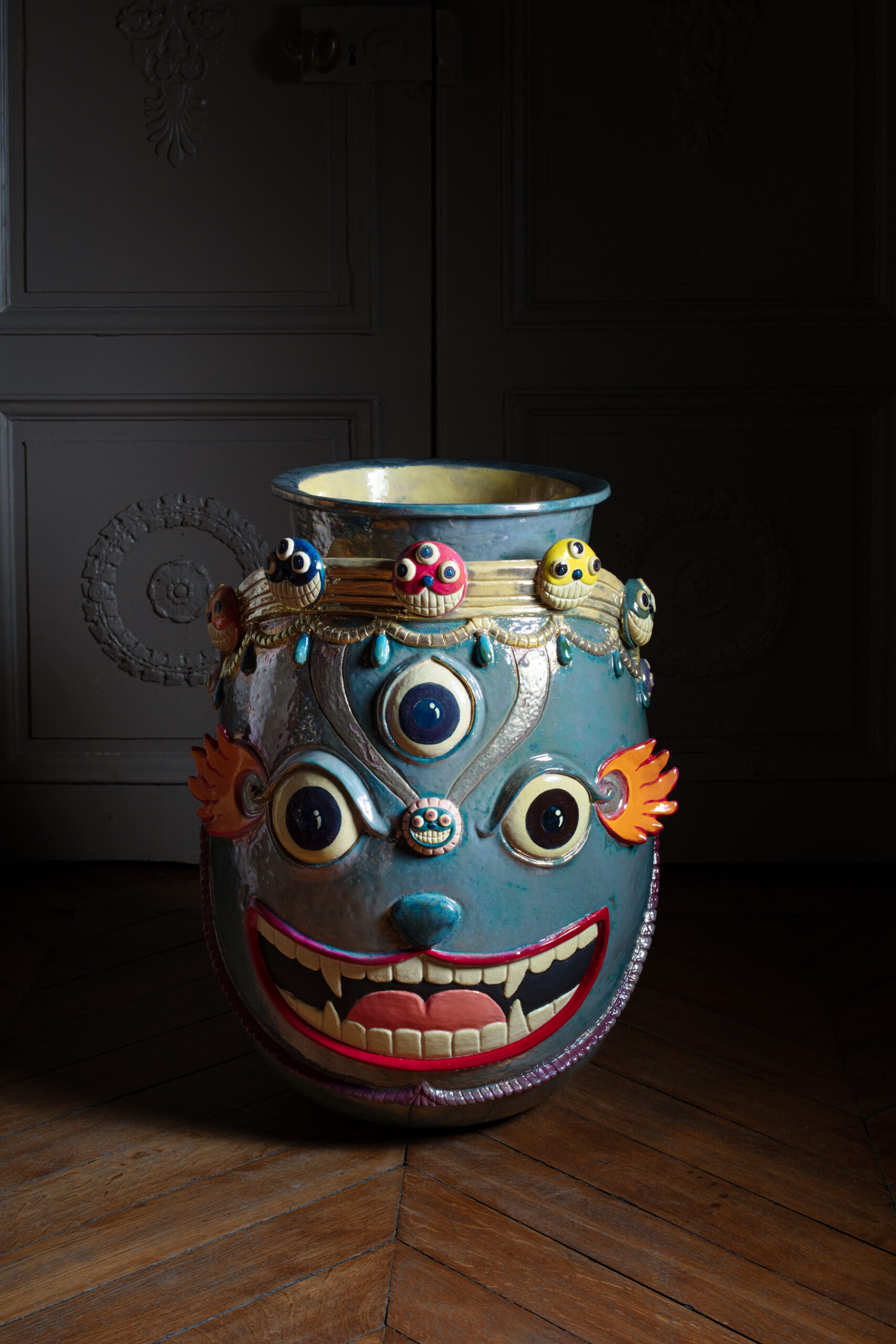
Shushank Shrestha
Libation pot tribute to Bhairab
2025
Underglazed stoneware
64 x 51 x 41 cm
Original unique piece
Photo © Anthony Girardi
8 000 €
Shushank Shrestha
Khyāh I
2025
Ceramic, lusterware
72 x 56 x 53 cm
Original unique piece
Photo © Anthony Girardi
9 500 €
Shushank Shrestha
Khyāh II
2025
Ceramic, lusterware
81 x 58 x 56 cm
Original unique piece
Photo © Anthony Girardi
9 500 €
Isolina Minjeong
Bat Guardian
2026
Underglazed stoneware
46 x 43 x 33 cm
Original unique piece
Photo © Anthony Girardi
3 500 €
Isolina Minjeong
Boy with Dog
2026
Underglazed stoneware
48 × 25,5 × 30,5 cm
Original unique piece
Photo © Anthony Girardi
3 500 €
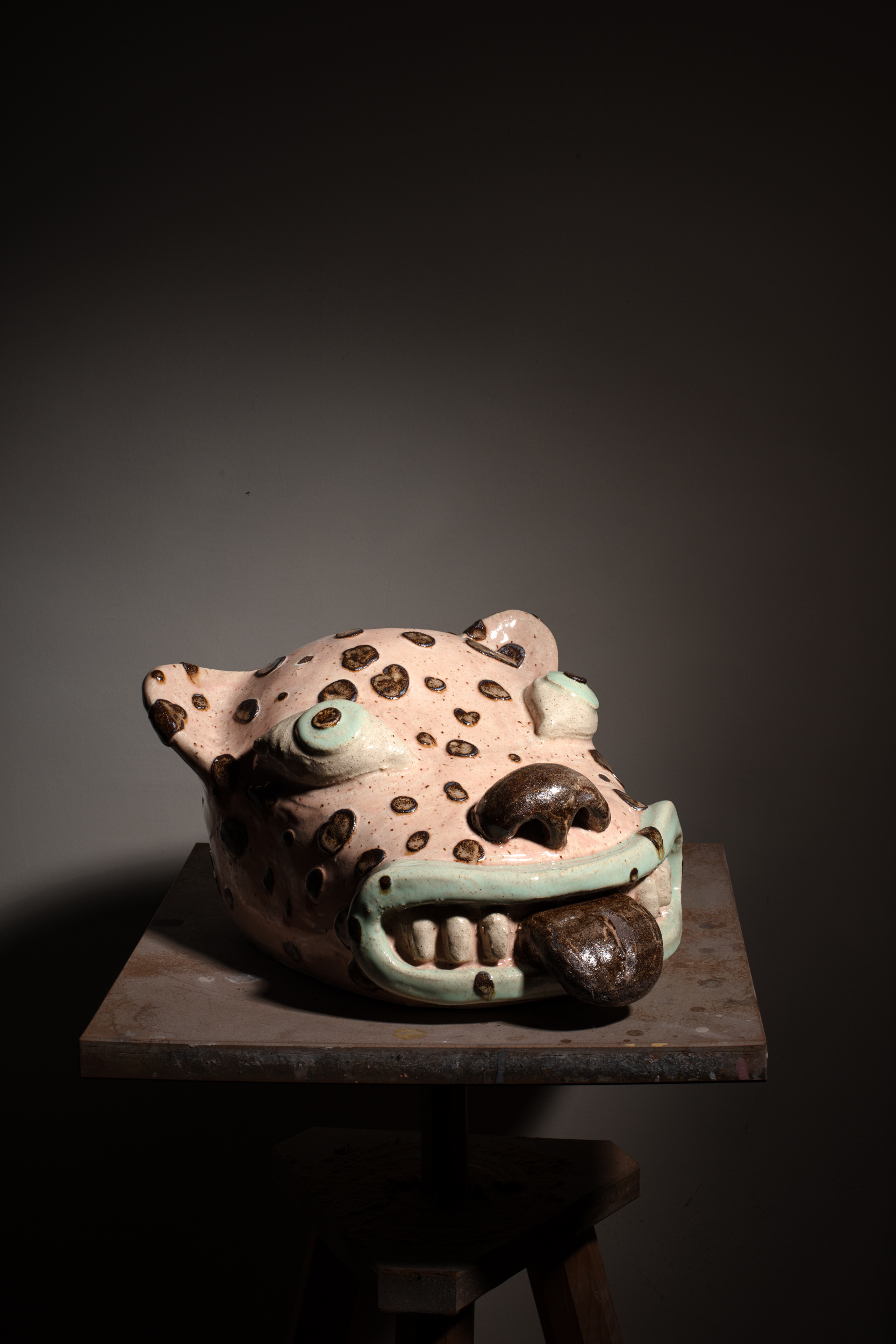
Isolina Minjeong
Leopard In Sunset
2026
Underglazed stoneware
23 × 25,5 × 35,5 cm
Original unique piece
Photo © Anthony Girardi
3 500 €
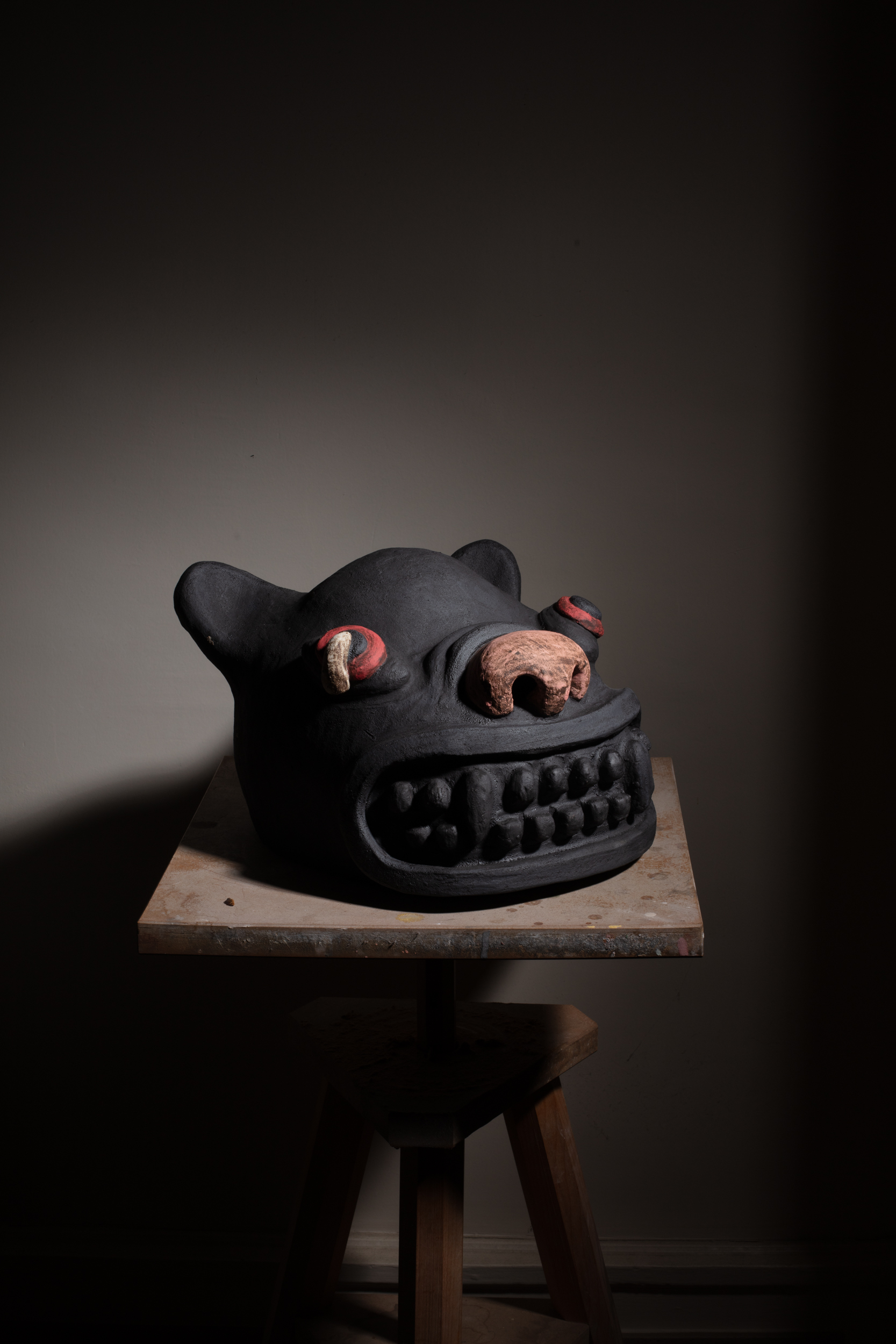
Isolina Minjeong
Jaguar Guardian
2026
Underglazed stoneware
23 × 28 × 33 cm
Original unique piece
Photo © Anthony Girardi
3 500 €
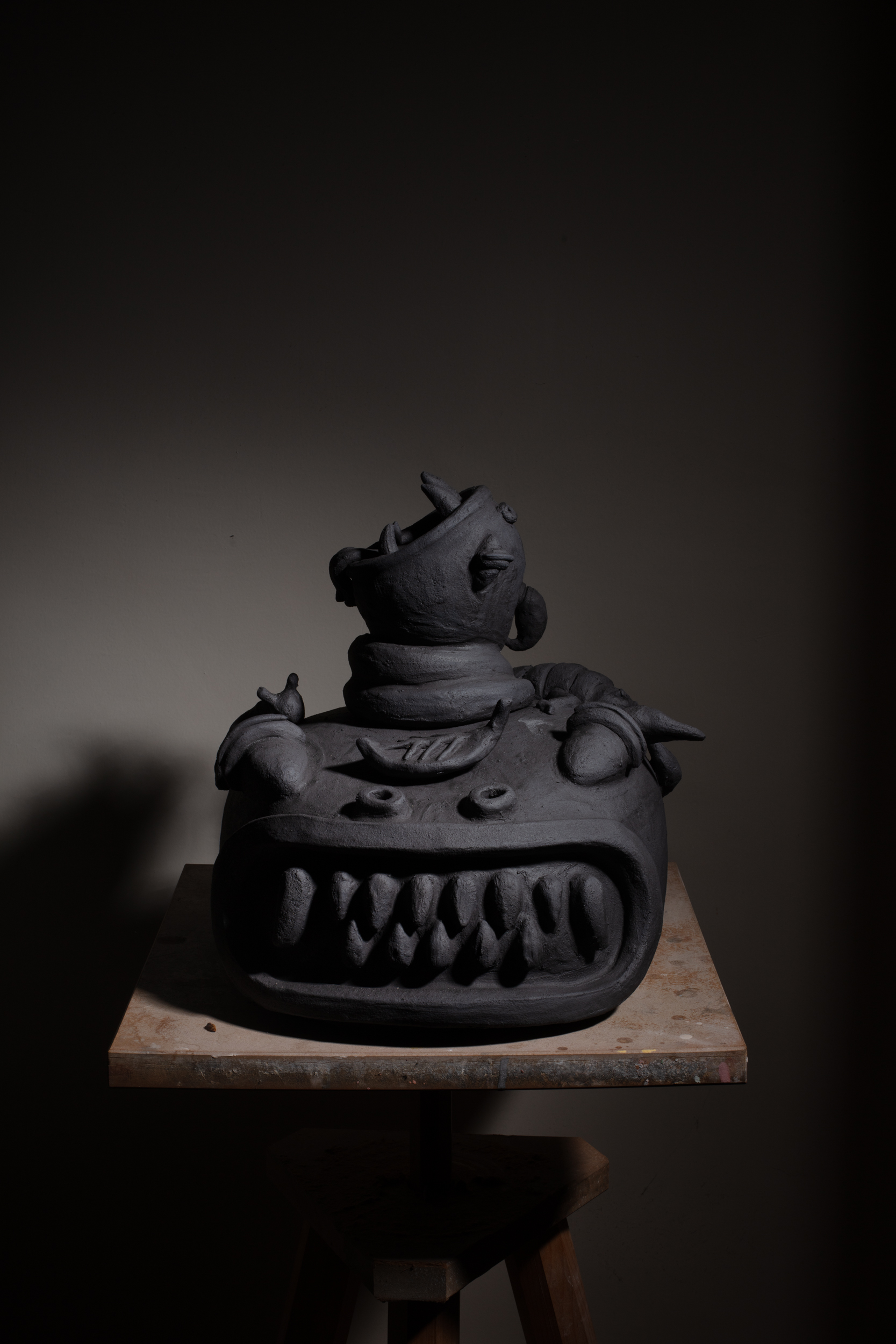
Isolina Minjeong
Snake Skin
2026
Underglazed stoneware
35,5 × 30,5 × 35,5 cm
Original unique piece
Photo © Anthony Girardi
3 500 €